

Ask a Master Gardener

Have a gardening question? Just ask! The certified WSU Extension Cowlitz County Master Gardeners in our Plant and Insect Clinic have been tackling everything from simple curiosities to tough garden challenges. Backed by up-to-date, science-based knowledge and hands-on experience, we’re here to support your gardening goals. Reach us online or visit our in-person plant clinics—we’re ready to help!

Three Ways to Reach us:
Via Email:
In Person:
Drop off samples at our Extension Office
April-October: Monday, Wednesday & Thursday
November-March: Wednesdays
📞 Call: 360‐577‐3014 Ext. 1

How to Collect or Photograph Samples

Photos should be clear, in focus, and zoomed in enough to show the area of interest clearly.
For plant ID, please show close-up, of leaves, how the leaves are attached to the stem, and a picture of the entire plant, tree, or shrub.
For plant problems, please take close-ups of the area of concern, both sides of the leaf (if applicable), healthy and problem areas, as well as a look at the entire plant.
For insect ID, please show as much detail as possible.
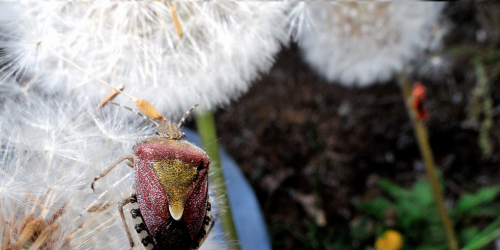
Capture insects and immediately kill by freezing. Leave in freezer overnight. Pack gently with tissues or cotton in a stoppered vial. If desired, include sample of damage.
Do not place butterflies, moths, or bees in alcohol, as key diagnostic features will be ruined.
Do not bring crushed insects or insects caught on tape or on sticky traps
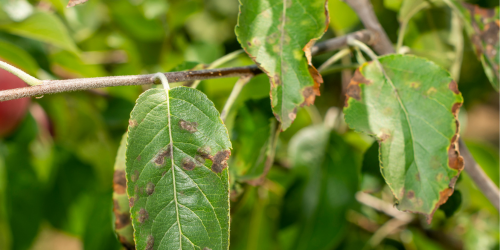
Select plant material showing symptoms of concern and submit various stages of the problem, especially the early stages.
Many problems originate belowground in and around roots– include roots and soil for more accurate diagnosis!
Please do not submit dead, dry, decayed or rotted samples as they provide insufficient material for diagnosis.
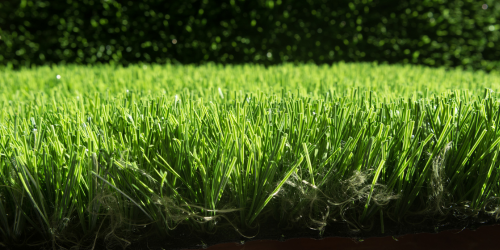
Collect samples of turf showing the symptoms of concern that is at least 4 inches by 4 inches square and 3 inches deep. Include roots, thatch, and soil.
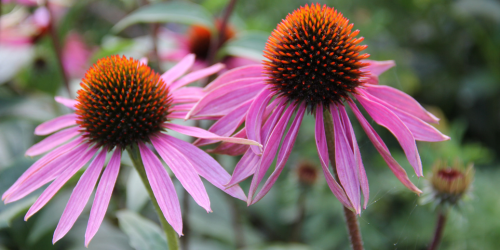
Plants are classified on floral morphology and identified using various plant parts including flowers, fruits, leaves, buds, and stems.
Send as much plant tissue as possible to give a good representation of the whole plant.

Explore this collection of free fact sheets and guides—a treasure chest of research-backed tips, tricks, and know-how to help every home gardener grow with confidence.
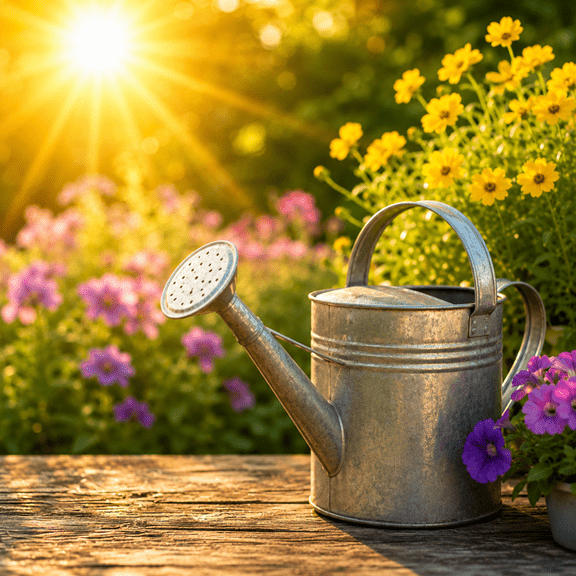
🌿 August Garden Tips
💧 Watering
- Water deeply rather than lightly to encourage deep roots.
- Water early in the morning whenever possible.
- Water the soil—not the foliage—to help prevent disease.
- Check containers and hanging baskets daily during hot weather.
- Refresh mulch to conserve moisture, cool the soil, and reduce weeds.
🥕 Vegetable Garden
Harvest
- Harvest vegetables frequently to keep plants producing.
- Pick tomatoes at first blush to reduce cracking, sunscald, and pest damage.
- Harvest beans, cucumbers, squash, peppers, tomatoes, sweet corn, potatoes, onions, and herbs as they ripen.
Plant for Fall Harvest
August is an excellent time to sow or transplant cool-season crops.
Direct sow:
- Beets
- Carrots
- Lettuce
- Spinach
- Radishes
- Kale
- Bush beans (early August)
- Peas (late August)
Transplant:
- Broccoli
- Cabbage
- Cauliflower
- Brussels sprouts
- Kohlrabi
Keep seedbeds evenly moist until seedlings are established.
🍅 Tomatoes & Other Vegetables
- Continue staking and tying tomatoes.
- Prune only enough to improve airflow.
- Check tomatoes regularly for early and late blight.
- Hill potatoes if tubers become exposed to sunlight.
🍓 Fruit
- Harvest berries and tree fruit as they ripen.
- Plant rooted strawberry runners.
- Net blueberries before birds find them.
- Remove diseased or fallen fruit to reduce pests and disease.
🌸 Flowers & Ornamentals
- Deadhead annuals and perennials to encourage more blooms.
- Divide bearded iris after flowering.
- Sow seeds for fall-blooming biennials and hardy perennials.
- Keep newly planted ornamentals well watered.
🌳 Trees & Shrubs
- Water newly planted trees and shrubs deeply during dry weather.
- Prune out dead, damaged, or diseased branches from fruit trees.
- Delay planting most trees and shrubs until cooler fall weather unless irrigation is available.
🐛 Pest Watch
Monitor for:
- Spider mites
- Root weevils
- Scale insects
- Apple maggot
- Codling moth
- Peach tree borer
- Caterpillars
- Spotted wing drosophila
Practice Integrated Pest Management (IPM):
- Identify the problem first.
- Monitor before treating.
- Use cultural and physical controls whenever possible.
- Reserve pesticides as a last resort.
🍄 Disease Watch
Watch for:
- Tomato early and late blight
- Powdery mildew
- Hollyhock rust
Remove infected plant material promptly, improve air circulation, and water at the soil level.
♻️ Garden Maintenance
- Weed before weeds go to seed.
- Compost healthy plant debris.
- Do not compost diseased plants unless using a hot compost system.
- Turn compost piles and keep them lightly moist.
🌱 Lawn
- Late August through September is the best time to renovate or seed lawns.
- Water deeply but infrequently during hot weather.
⭐ August Reminders
- Start your fall vegetable garden now.
- Harvest frequently to keep crops productive.
- Continue scouting for insects and diseases.
- Enjoy the abundance of the late-summer garden!